How to Determine the Total Magnification of a Microscope?
|

How to Determine the Total Magnification of a Microscope?

There is no need for complex thoughts on magnification or stopping every time to calculate manually. You can achieve the desired accuracy by following this easy trick; just jot it down for easy reference: Here’s one final tip that will help you save even more time: place a strip of tape on your microscope with…
What Color Temperature (K) Is Best for Biological Sample Photography?
|

What Color Temperature (K) Is Best for Biological Sample Photography?

In biological photography, getting the color temperature right isn’t just about making things look “pretty.” It’s about data integrity. If your white balance is off, your staining intensity looks wrong, and your peer-reviewed paper suddenly looks a lot less credible. This is the industry standard for “Daylight.” It’s neutral, it’s crisp, and it doesn’t lean…

Stereo vs. Compound Microscopes: Which One Should You Actually Buy?
|

Stereo vs. Compound Microscopes: Which One Should You Actually Buy?

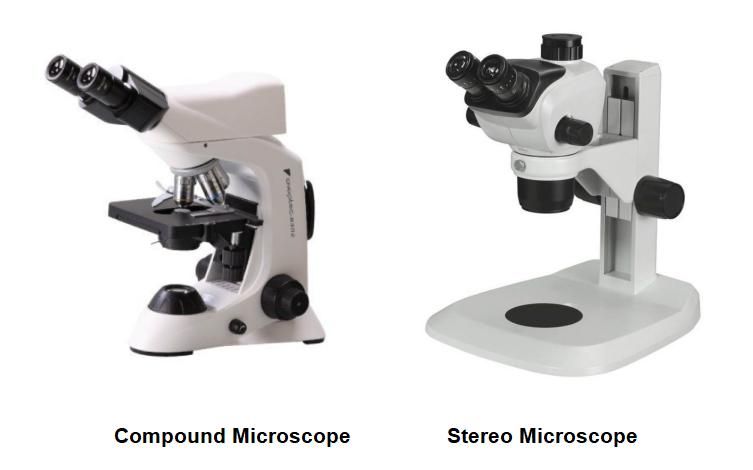
If you’re shopping for a microscope, you’ve probably hit a wall of technical jargon: dual-light paths, numerical aperture, total magnification… But let’s be real—you don’t want a physics lesson. You want to know one thing: “Which of these will help me see what I need to see without wasting my money?” The truth is, these…

Do Digital Microscopes Work with Mac and Windows?
|

Do Digital Microscopes Work with Mac and Windows?

You’re probably here because you found a cool digital microscope online, or have one sitting on your desk, and the burning question is: “Will this thing actually work with my Mac or Windows PC?”How well they work, whether you’ll pull your hair out installing software, and if all the cool features actually work? Alright, let’s cut…

End of content

End of content