
Medical Simulation Training Skin
The Medical Simulation Training Skin (Skin Test Version) is an environmentally friendly, non-toxic, highly realistic skin made of platinum silicone composite material.
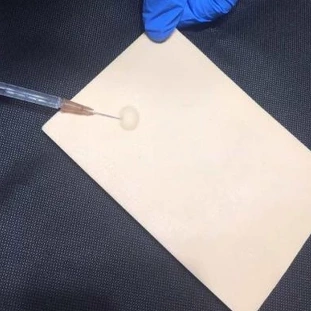
The Medical Simulation Training Skin (Skin Test Version) is an environmentally friendly, non-toxic, highly realistic skin made of platinum silicone composite material.
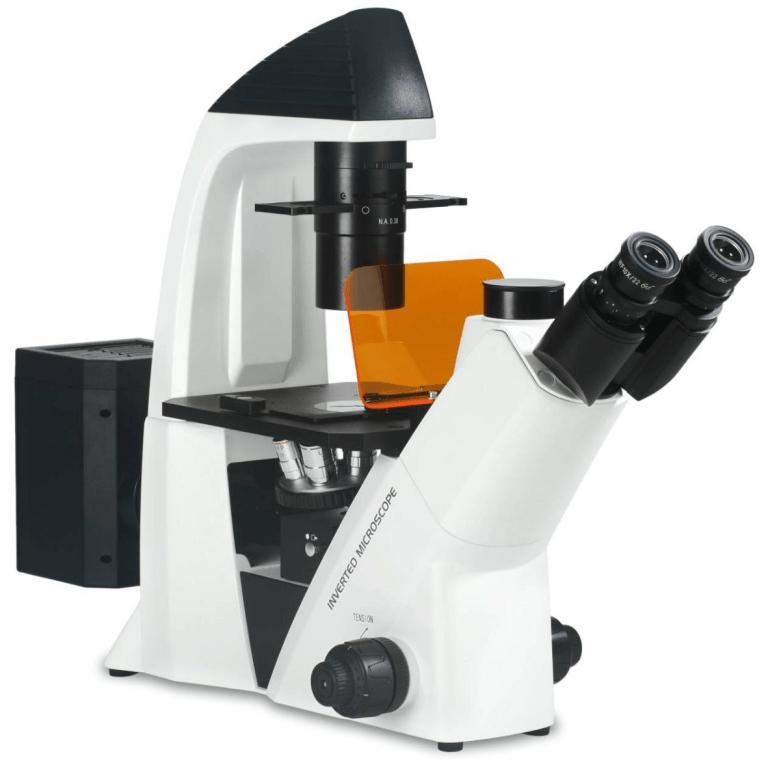
Fluorescence mismatch between fluorophore spectral properties and microscope filter sets is one of the most common and frustrating headaches in fluorescence microscopy. This issue is not a simple “yes” or “no” matter because it depends on spectral overlap—specifically, the matching of excitation and emission spectra. To be 100% sure whether your fluorophore will work with your…
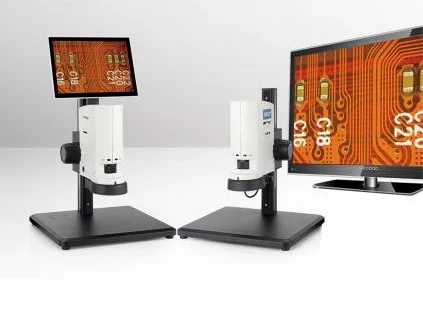
If you use a digital microscope for PCB inspection, soldering work, coin collecting, or small electronics repair, you might wonder: Can it really connect and work properly with a Windows Surface device? Yes—most digital microscopes work with Windows Surface devices because Windows Surface runs a full version of the Windows system (Windows 10 or Windows…
In fields like quality control, aerospace engineering, or any precise machine shop, measuring material hardness is essential. The Rockwell Hardness Test dominates because it’s quick, dependable, and shows a straightforward digital or dial reading—not so complicated like optical methods. Still, accuracy depends on proper sample preparation and machine calibration. Get it wrong on those parts,…
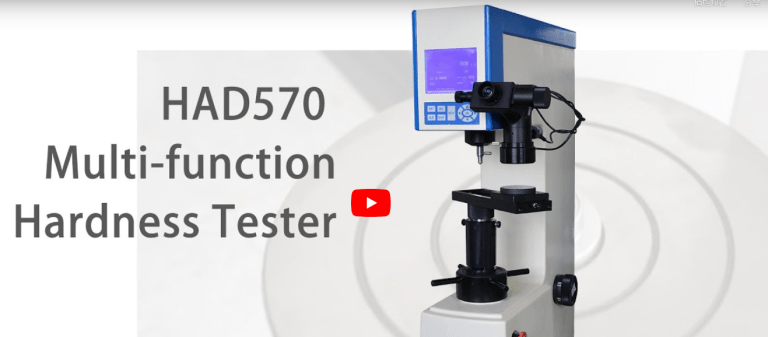
The Brinell hardness test is one of the most widely used methods for measuring metal hardness, making it particularly ideal for materials with coarse or uneven grain structures, such as castings, forgings, structural steel, and aluminum alloys. Primarily used to determine the Brinell hardness (HBW) of cast iron, steel, non-ferrous metals, and various alloys, the…
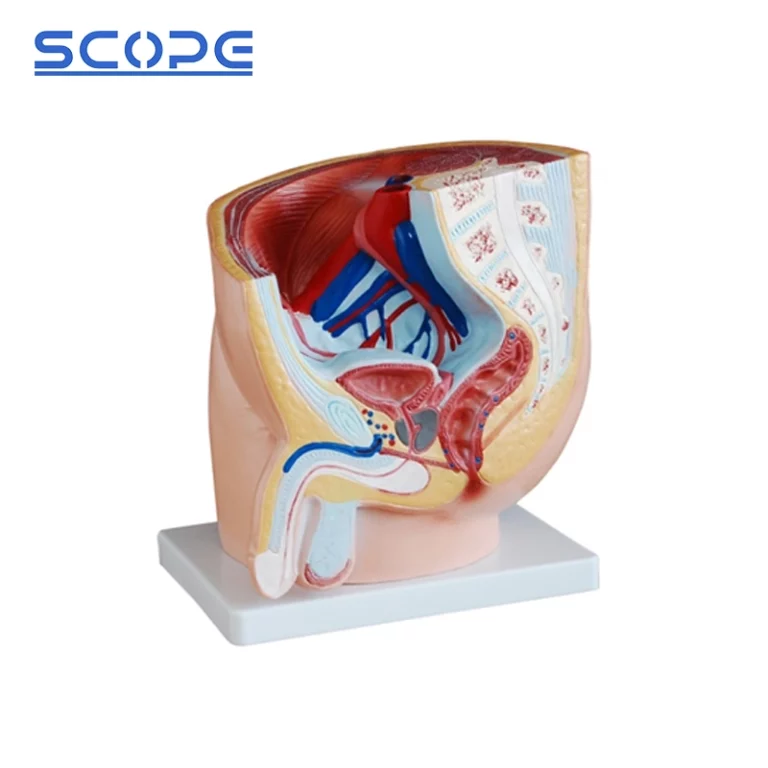
1.Showing male genital organs and bladder, rectum in the normal position of the pelvis.
2.PVC material.
3.Placed on plastic seat.
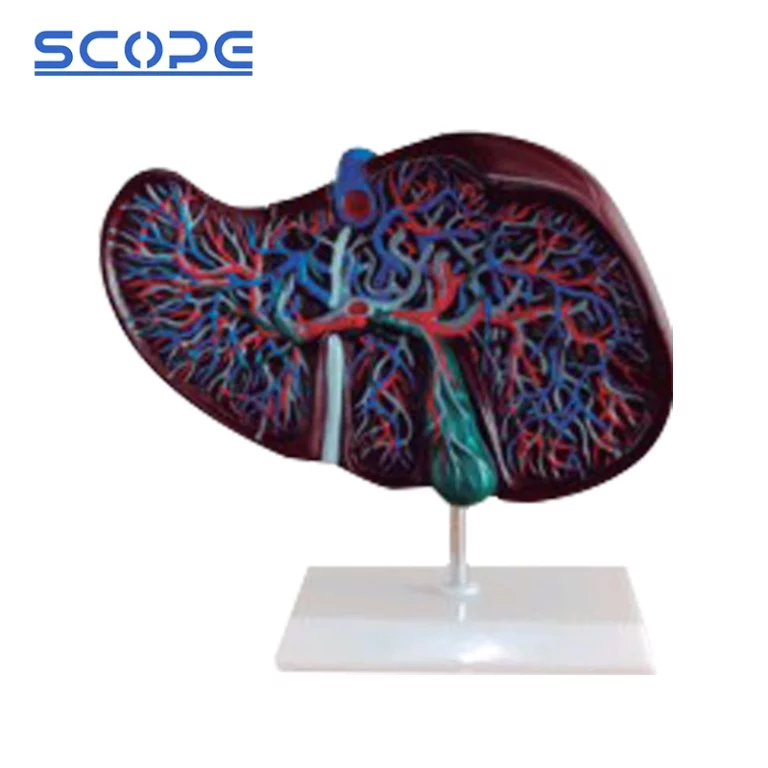
1.This model is a longitudinal section showing the shape of the stomach during moderate inflation, showing: mucosal wall, pyloric valve, pyloric sphincter, gastric mucosa, and mucosa that migrates from the esophagus to the stomach.
2.Made of PVC,
3.2 times large.
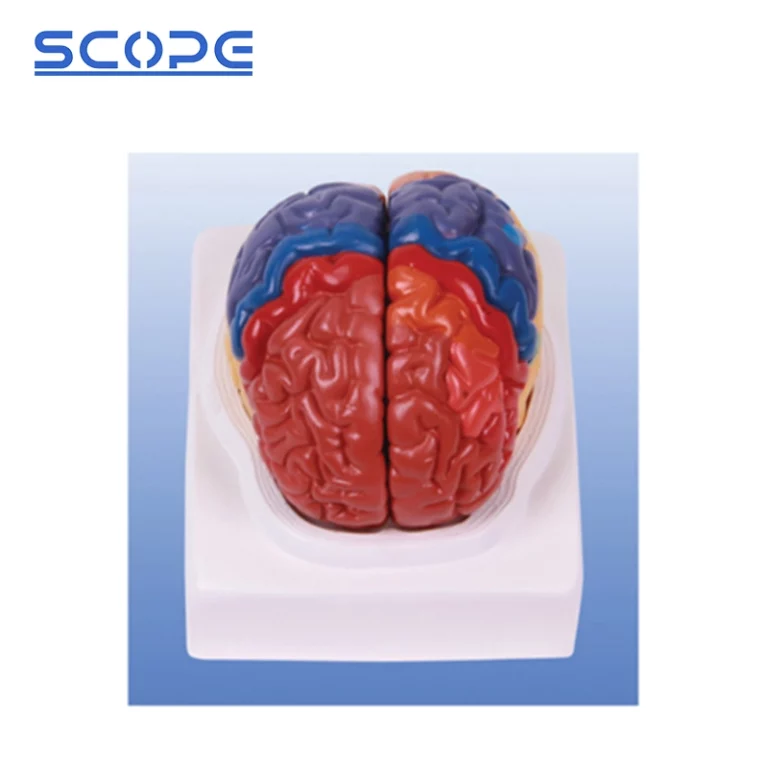
1.The model consists of nine components: the sagittal section of the brain, the cerebral hemisphere, the cerebellum, the brainstem, and the cerebral vessels. It also shows the cerebral hemisphere, the diencephalon, the cerebellum, and the brainstem, the pons, the medulla, and
the cranial and cerebrovascular.
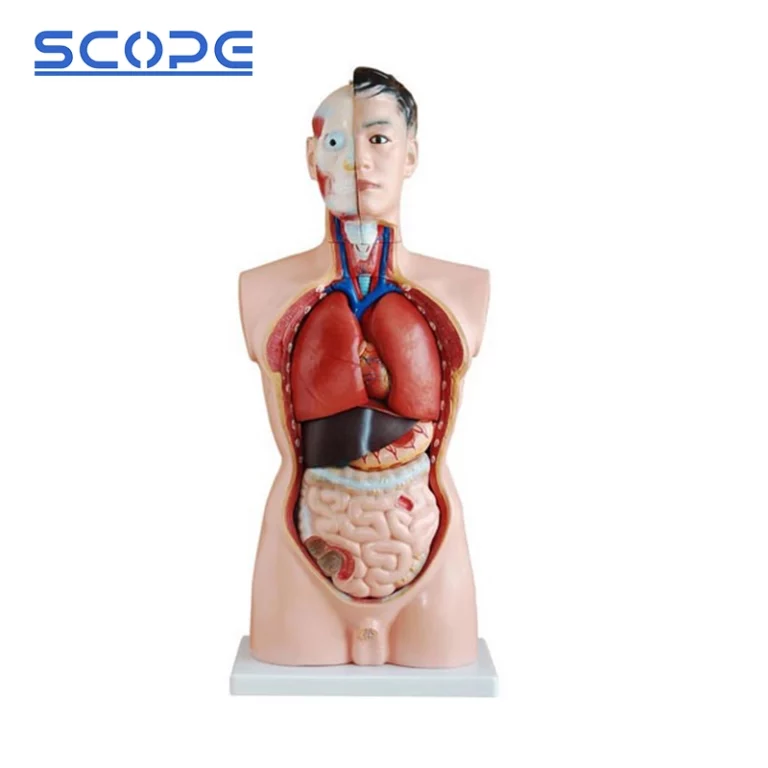
1.This is a standard size male torso model, hand painted, carefully installed and realistic.
2.Divided into 19 pieces: torso, head (2 pieces), brain, lung (4 pieces), heart, trachea, esophagus and aorta, diaphragm, stomach, duodenum with pancreas and spleen, intestine, kidney, liver and Bladder (2 pieces).
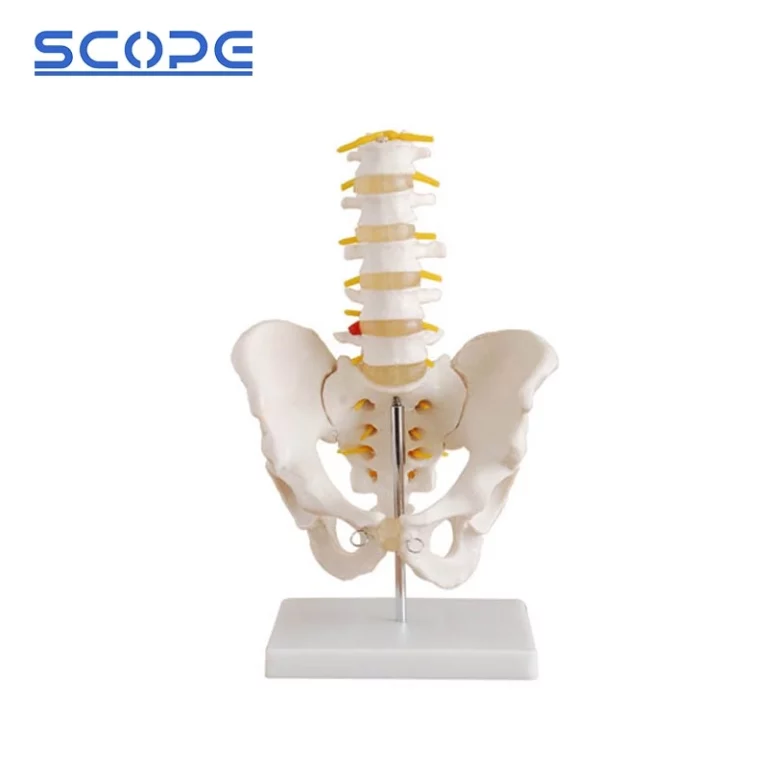
1.The model consists of hip, tibia, coccyx and 5 lumbar vertebrae.
2.Placed on a plastic seat.
End of content
End of content
Need help or have a question? Please fill out the form below in detail. Fields marked with * are required

2019 Chongqing Scope Instrument Co., Ltd. All Rights Reserved