Choosing a medical training manikin can feel overwhelming. With so many models, features, and price points, it’s easy to get lost. But here’s the truth:
The most important factor isn’t realism or brand — it’s whether the manikin actually supports the skills you need to train.
Whether you’re teaching CPR, nursing skills, advanced life support, trauma response, or obstetrics, the right manikin can make or break your training program.
Types of Medical Training Manikins: Which One Is Best for You?
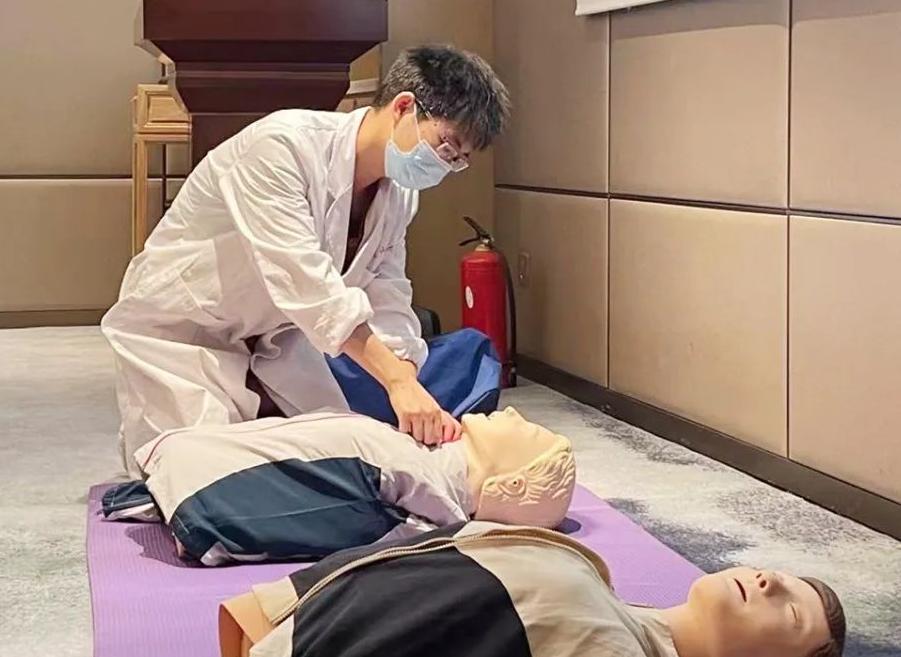
Medical manikins are best classified by the training skills they are designed for, not by appearance or price. Different scenarios demand different features.
| Manikin Type | Core Features | Key Difference | Best Training Scenario | Best For |
| Basic CPR Manikin | Chest compression feedback, airway opening | Focused on CPR mechanics only | CPR & First Aid | Schools, community programs |
| EMT / Clinical Care Manikin | IV arms, catheterization, wound care | Hands-on procedural practice | Nursing Skills Labs | Nursing students |
| ALS Manikin | Advanced airway management, oxygen delivery | Designed for field and clinical prep | EMT & Clinical Training | Paramedics, junior clinicians |
| 产科/新生儿模型 | ECG, intubation, drug response logic | Decision-based simulation | ALS & ICU Simulation | Hospitals, ALS programs |
| Obstetric / Neonatal Manikin | Bleeding control, limb injuries, moulage | Stress and realism for emergencies | Trauma & Emergency Response | ER teams, rescue training |
| 产科/新生儿模型 | Delivery simulation, neonatal airway | Mother & baby scenarios | Obstetric & Neonatal Training | OB departments, neonatal units |
Key takeaway: Pick a manikin that matches your training goals — not the one that looks most realistic.
What Are the Must-Have Features in a Medical Training Manikin for Different Training Goals?
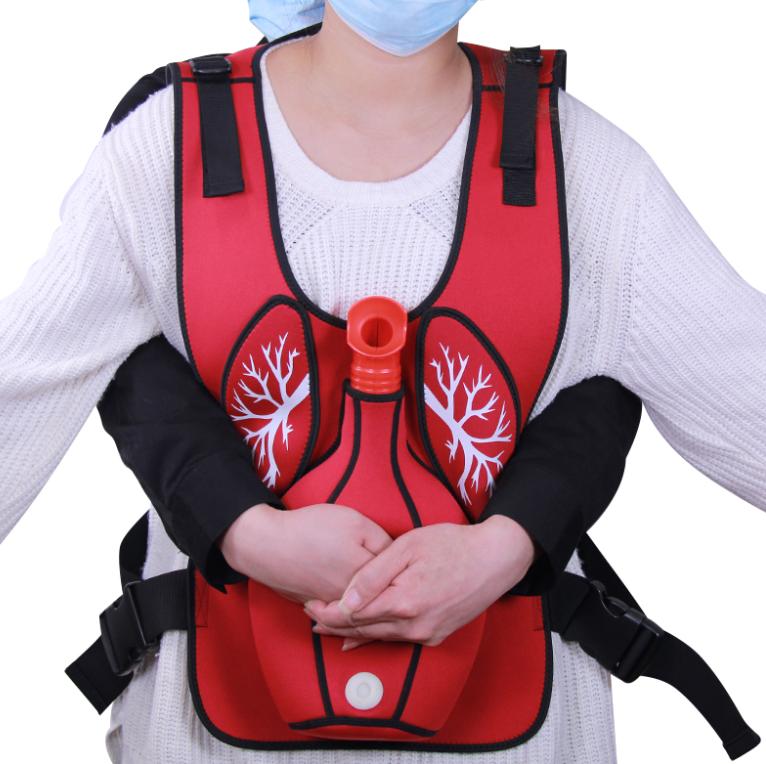
Here’s a practical guide to the features you absolutely need, organized by training scenario.
Must-Have Feature 1: Quality Chest Compression Feedback (Best for Basic CPR & First Aid)
Why it matters: CPR success depends on depth and rate—and learners can’t guess if they’re doing it right. A manikin with clear feedback (visual lights, audio cues, or app integration) tells trainees instantly if their compressions are too shallow, too fast, or on target. This eliminates guesswork and builds muscle memory that translates to real emergencies. No feedback = wasted practice—simple as that.
Must-Have Feature 2: Realistic Venous Access & Injection Sites (Best for Nursing Skills)
Why it matters: Nurses and caregivers need confidence with needles—and nothing kills confidence like a manikin that feels “plastic” or leaks after a few uses. Look for models with soft, skin-like material, visible vein markers, and reusable injection sites that don’t tear or leak. This mimics the feel of human tissue, so learners master proper technique (e.g., avoiding nerve damage) without the pressure of harming a real patient. Durability here is key—you don’t want to replace parts after every training session.
Must-Have Feature 3: Advanced, Manipulable Airway (Best for EMT/Paramedic & Clinical Training)
Why it matters: Airway emergencies (choking, cardiac arrest) are high-stakes—trainees need to practice intubation, supraglottic device placement, and bag-valve-mask ventilation on a manikin that acts like a real patient. A good airway model lets learners manipulate the head/neck (e.g., sniffing position for intubation) and provides feedback if they’re damaging the airway (e.g., incorrect tube placement). This prepares them for the split-second decisions they’ll face in the field.
Must-Have Feature 4: Integrated Physiology & Team Training Capabilities (Best for ALS)
Why it matters: Advanced life support isn’t just about individual skills—it’s about managing complex, changing patient conditions as a team. ALS manikins should simulate vital signs (heart rate, blood pressure, oxygen saturation) that respond to interventions (e.g., defibrillation, medication administration). They should also support team communication (e.g., syncing with monitors, allowing multiple learners to act at once) so teams practice coordination, not just solo tasks.
Must-Have Feature 4: Modularity & Realistic Moulage (Best for Trauma & Emergency Response)
Why it matters: Trauma patients have multiple injuries—cuts, fractures, burns—and trainees need to assess and treat them quickly. A modular trauma manikin lets you swap out injury components (e.g., a bleeding arm, fractured leg) to create different scenarios. Realistic moulage (simulated wounds) helps learners recognize injuries at a glance, while durable materials stand up to repeated use (e.g., bandaging, splinting). This builds muscle memory for fast, accurate trauma care.
Must-Have Feature 6: Deliverable Fetus & Postpartum Care Features (Best for Obstetric/Neonatal Training)
Why it matters: Maternal and infant emergencies (e.g., breech birth, neonatal resuscitation) require specialized skills. Obstetric manikins should have a realistic pelvis, deliverable fetus (with adjustable head position for different birth scenarios), and postpartum features (e.g., uterine atony, laceration repair). Neonatal manikins need to mimic infant size and fragility, with functional airways for CPR and ventilation practice. These features let learners practice high-risk, low-frequency events in a safe environment.
Must-Have Features vs. High Fidelity: How to Prioritize?
Not all high-fidelity features are necessary for every training goal. Overpaying for unnecessary functions is a common mistake.
| Training Goal | Must-Have Features | Optional / Nice-to-Have | Avoid Paying For |
| CPR & First Aid | Compression & airway feedback | Facial realism | Full-body sensors |
| Nursing Skills | IV, catheter, wound care | Software systems | ECG / vital simulation |
| EMT / Clinical Care | Advanced airway, oxygen delivery | Cosmetic realism | Extra modules not related to skills |
| ALS | ECG, intubation, drug response | Appearance | Trauma modules not required |
| Trauma & Emergency | Bleeding, limb trauma, moulage | ECG complexity | High-end software |
| Obstetrics / Neonatal | Delivery, neonatal airway, postpartum care | Skin texture | Non-functional sensors |
Top Manikins for Every Need (Value + Performance)
To save you time, here’s a curated list of trusted manikins (from SCOPE Lab) that align with real training needs—no fluff, just results:
| Manikin Name | Core Functions | Ideal Training Scenarios | Best For | Value for Money |
| SC-H140 Senior Infant Nursing Manikin | Waterproof, durable, infant care skills (feeding, bathing, basic nursing) | Pediatric/nursery training | Neonatal nurses, midwives | High (affordable, long-lasting) |
| SC-H4-1 Transparent Gastric Lavage Model | Electronic operation feedback, realistic gastric tract | Gastric lavage training | Nursing students, ER staff | High (specialized, clear feedback) |
| SC-H72 Parenteral Alimentation Nursing Model | Reusable IV nutrition access, durable PVC material | TPN/IV nutrition training | Hospital nurses, home health aides | Medium-High (specialized, reusable) |
| SC-HS10 Advanced Elbow Venipuncture Model | Leak-proof, repeated punctures, realistic vein markers | IV/venipuncture training | Nursing students, LPNs | High (affordable, low maintenance) |
| SC-HP Advanced Arm Intradermal Injection Model | Small, portable, skin-like texture | Intradermal/subcutaneous injection training | Medical assistants, nursing students | Very High (budget-friendly, bulk-order options) |
Explore more models here: CQ Scope Medical Manikins
Final Thoughts
Choosing the right medical training manikin is about skill alignment, not bells and whistles.
Focus on the must-have features for your training goal. When features match purpose:
- Training becomes more effective
- Learners gain confidence
- Costs are optimized