
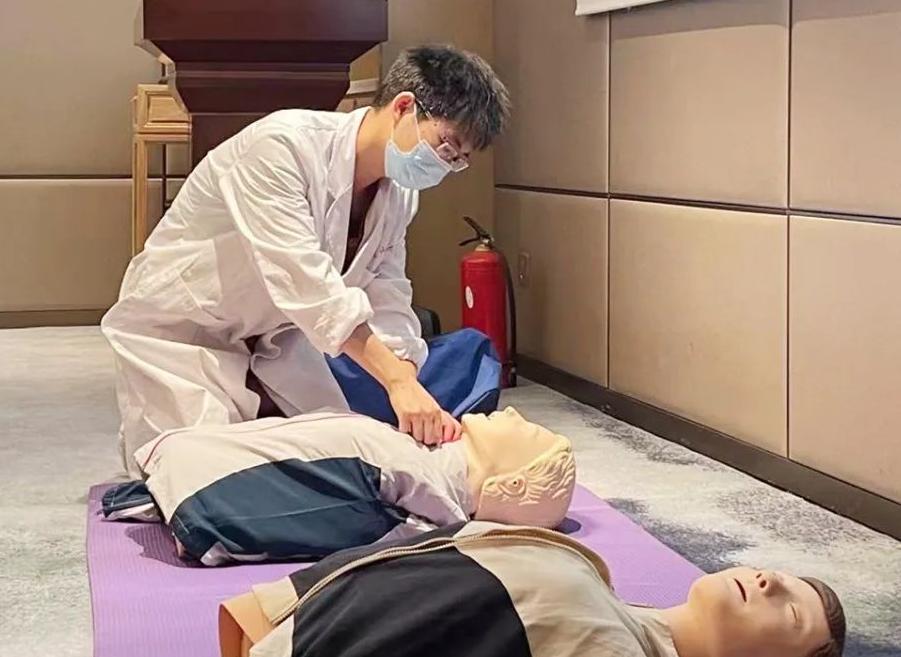
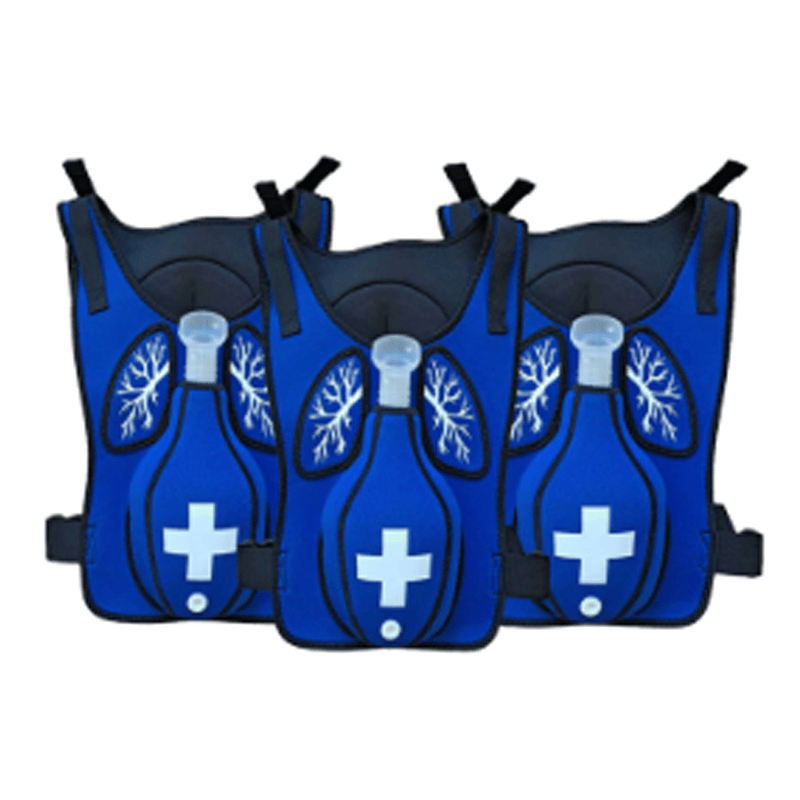
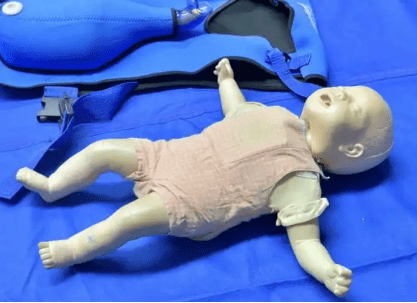
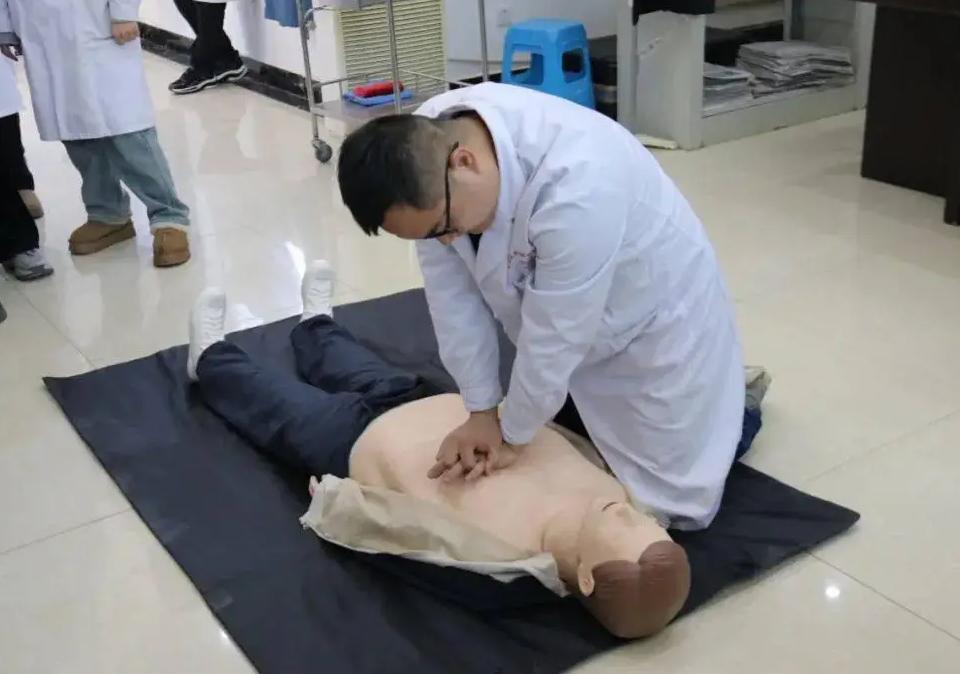
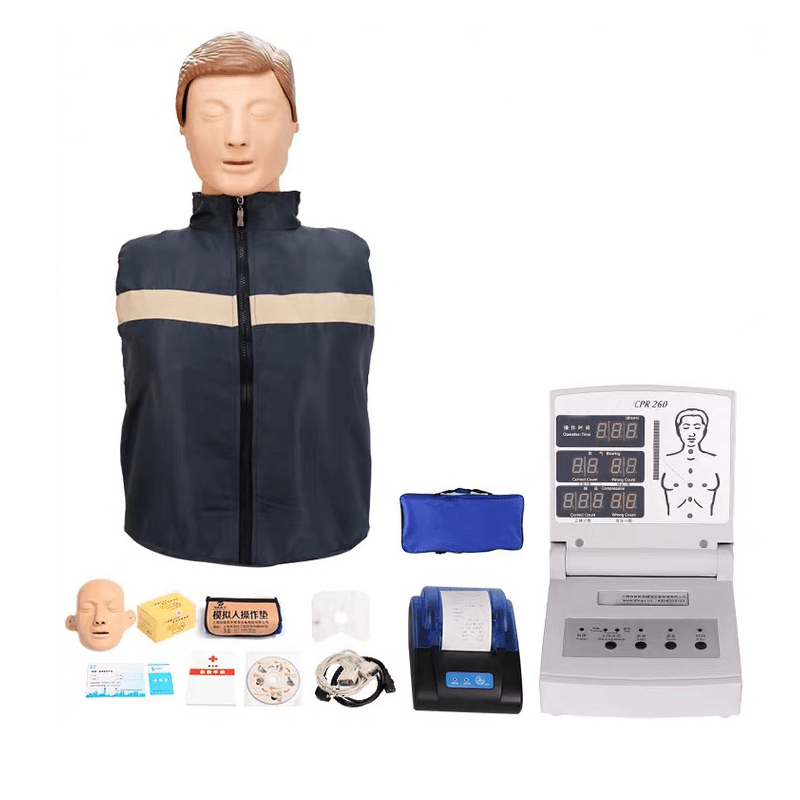
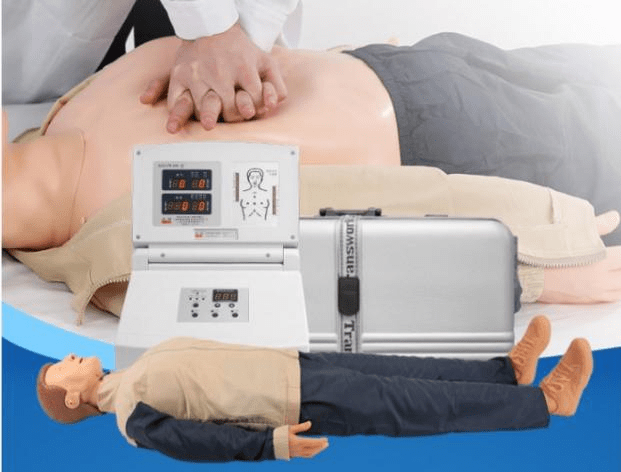
If you conduct first-aid instruction in a workplace, school, gym, community programme, or with an emergency response team, you likely already own a few CPR training mannequins, since they are the foundation of any CPR training course.
But now you’re wondering:
“Do I really need a Heimlich Maneuver training vest too?”
Or is it just one more piece of equipment everyone says you “should” buy?
Let’s get straight to it:
- Yes, because they teach completely different lifesaving skills, A CPR manikin cannot replace a Heimlich training vest.
- They serve different purposes, employ different techniques, and cater to different muscle-memory goals.
This guide clarifies things in plain English, allowing you to make an informed selection, avoid unnecessary expenses, and ensure a comprehensive training experience. As such, you can select with confidence.
Heimlich Maneuver Training Vest vs CPR Manikins: What They’re Really For
They train for different emergencies, different movements, and different risk scenarios.
Here’s the quick visual breakdown that most buyers never see:
| Aspect | Heimlich Maneuver Training Vest | CPR Manikin |
| Emergency Type | Choking (conscious victim with blocked airway) | Cardiac arrest (unresponsive, not breathing) |
| Goal of Skill | Remove an obstruction from the airway | Restore blood flow with chest compressions |
| Movement Required | Hard inward + upward abdominal thrusts | Vertical chest compressions |
| Main Simulation | Abdominal resistance + “pop-out” plug | Chest depth, recoil, breathing |
| Muscle Memory Built | Hip drive, upward pull, correct hand placement | Arm strength, compression rhythm, chest rise |
| Can You Use Full Force? | Yes, designed for it | No, wrong direction + risk of damage |
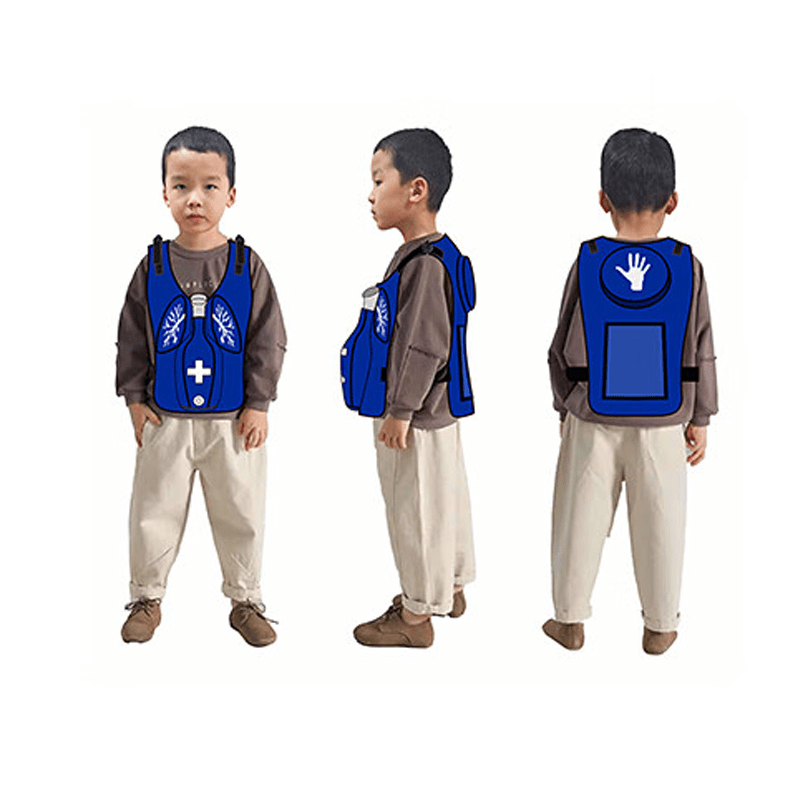
So what does a Heimlich Vest actually do?
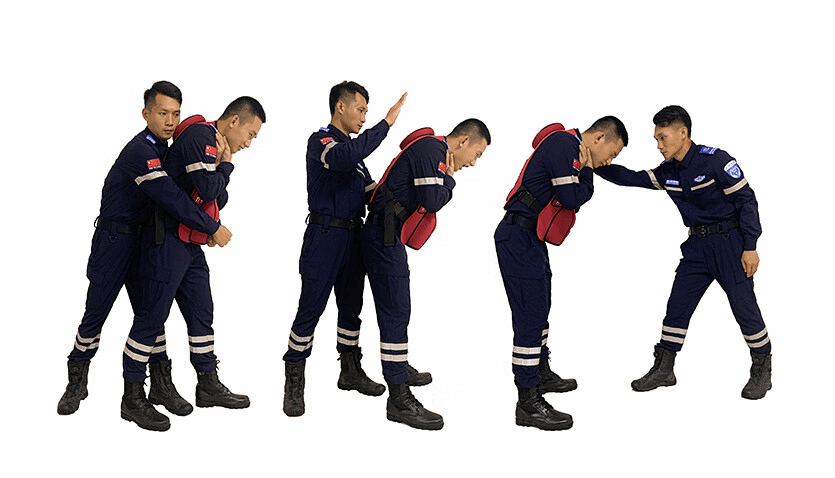
- Helps students learn exact hand placement above the navel and below the ribs
- Recreates realistic abdominal resistance
- Trains the correct inward-and-upward force needed to dislodge objects
- Provides safe feedback (like a plug shooting out) when the movement is done correctly
- Eliminates the risk of performing forceful thrusts on real people
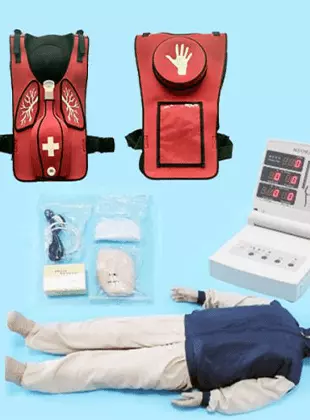
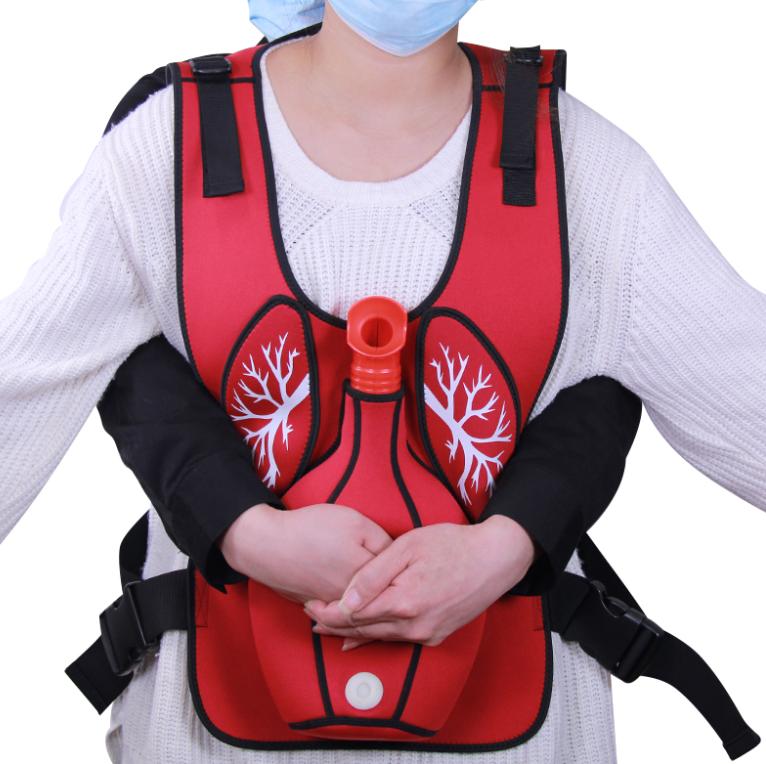
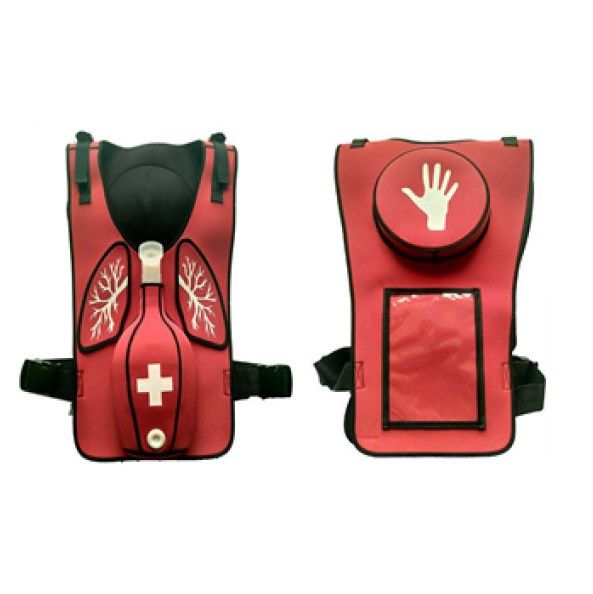
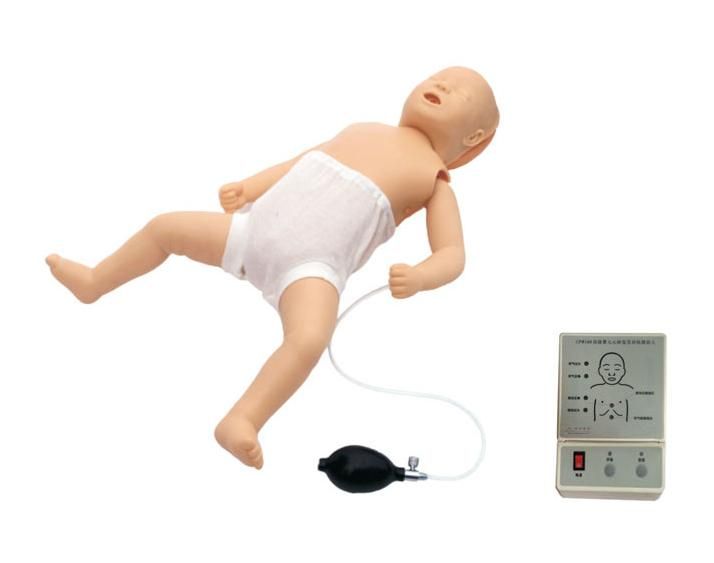
And what is a CPR manikin made for?
- Deep chest compressions with proper recoil
- Airway opening and rescue breaths
- Rhythm feedback (some models add electronics)
- Zero capability for simulating abdominal thrusts
Different emergencies → different tools → different training outcomes.
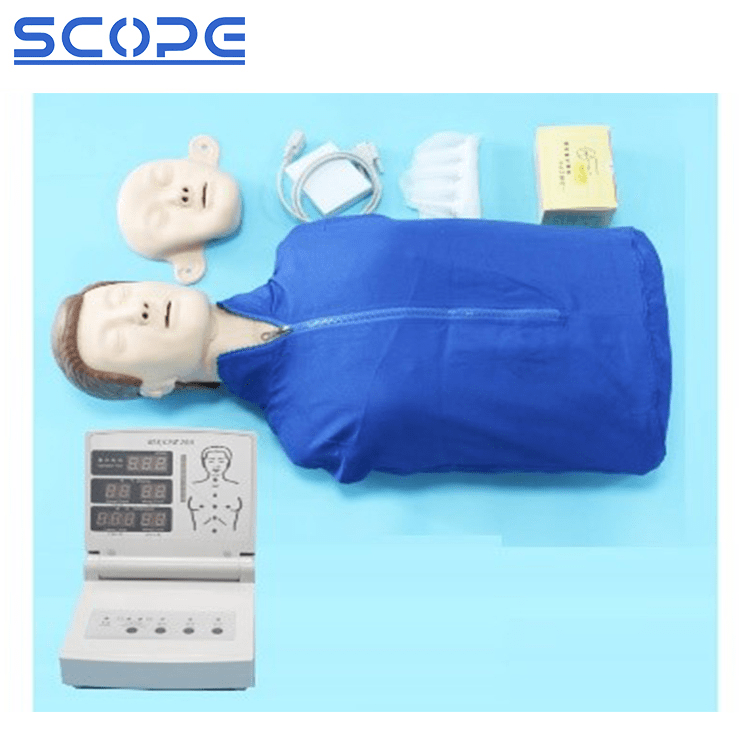
Can a CPR Manikin Replace a Heimlich Training Vest?
No. And here’s why.
A CPR manikin is built for vertical compression.
Heimlich thrusts are inward and upward.
Trying to practice Heimlich on a CPR dummy leads to:
- Wrong hand placement
- Wrong force direction
- Wrong muscle memory
- No feedback
- High chance of damaging the manikin
- Unsafe training habits
Even worse — students walk away thinking they “practiced,” when they actually didn’t.
For choking emergencies, speed and confidence matter more than anything.
Learners need to feel what a real abdominal thrust feels like — and the CPR dummy simply can’t provide that.
Which Is More Realistic? Which Is Safer?
Realism
Heimlich Vest → Most realistic tool for choking rescue.
It’s the only safe way to practice the exact motion needed to save a choking person.
CPR Manikin → Most realistic for cardiac arrest.
Nothing else teaches the correct compression depth and recoil.
These are two different kinds of “realism.”
Safety
Heimlich
You should never perform forceful Heimlich thrusts on a real classmate — serious injuries can happen.
The vest prevents that.
CPR Manikins
Designed for safe compressions and hygienic breaths with replaceable lungs/face shields.
Both tools are safe in their intended contexts.
Heimlich Maneuver Training Vest vs CPR Manikins: How to Choose Smartly
If you run regular or certified first-aid/CPR courses, → Get the Heimlich Vest.It’s the only way to offer real choking-rescue practice that builds confidence and muscle memory.
If your budget is limited, here are cost-effective options:
- Choose a basic, non-electronic Heimlich vest: They’re cheaper and still offer the essential “pop-out” feedback.
- Use the pillow method — but ONLY for demonstration
- Partner drills with zero pressure: Students practice positioning, steps, and verbal flow — no actual thrusting.
- Focus more time on recognition training: Many choking deaths happen because people don’t realize the victim is in severe choking versus mild choking.
This costs nothing but dramatically boosts real-world readiness.
Final: So Do You Need Both?
Yes. If you want complete first-aid training, you absolutely need both tools.
- CPR manikins teach you how to save a heart.
- Heimlich vests teach you how to save an airway.
- Neither tool can perform both roles.
The Heimlich vest fills a critical skill gap — one that can’t be taught realistically with CPR manikins or partner demonstrations.