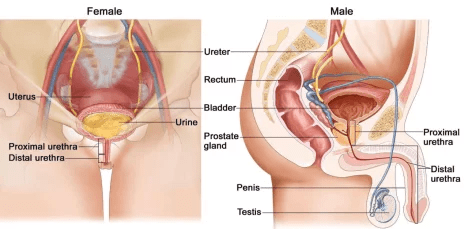

Male vs. Female Bladder Anatomical Model Differences
|

Male vs. Female Bladder Anatomical Model Differences

While male and female bladder anatomical models usually display the exact same bladder organ itself, they differ significantly in their surrounding pelvic organs and urethral structures. These variations completely alter the overall layout and proportions of the models. Key Differences: Why Are Male and Female Bladder Models Different? Feature Male Bladder Model Female Bladder Model…

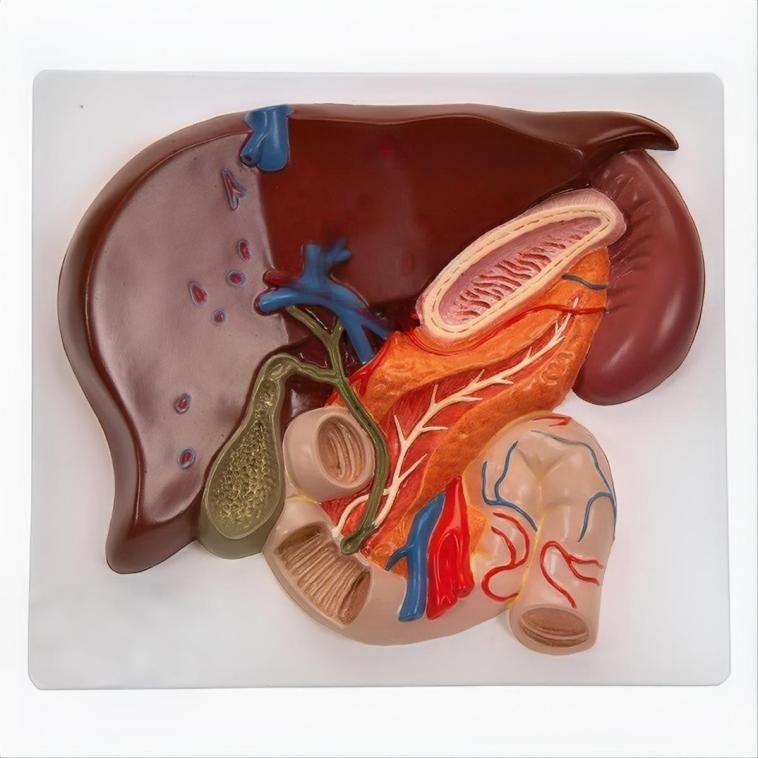
Liver Anatomy Model Showing Gallbladder and Biliary Tree Tracts
|

Liver Anatomy Model Showing Gallbladder and Biliary Tree Tracts

The biliary system is inherently complex due to the branched network structure of the bile ducts both inside and outside the liver. Bile can either enter the gallbladder for storage or be discharged directly into the duodenum via the common bile duct to participate in digestion. A high-precision liver anatomy model is essential for helping…

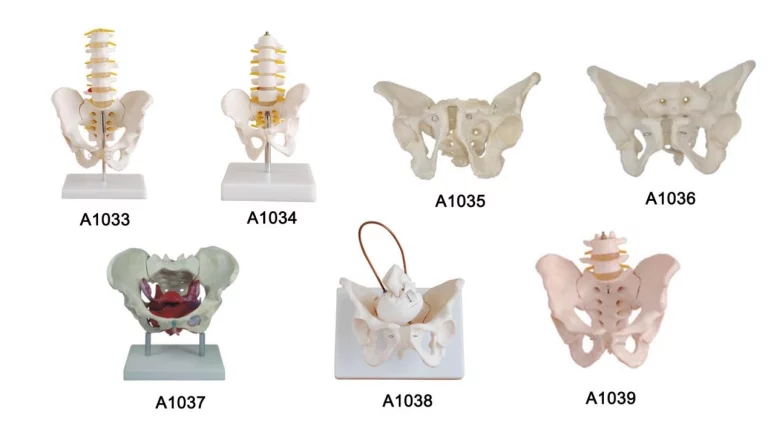
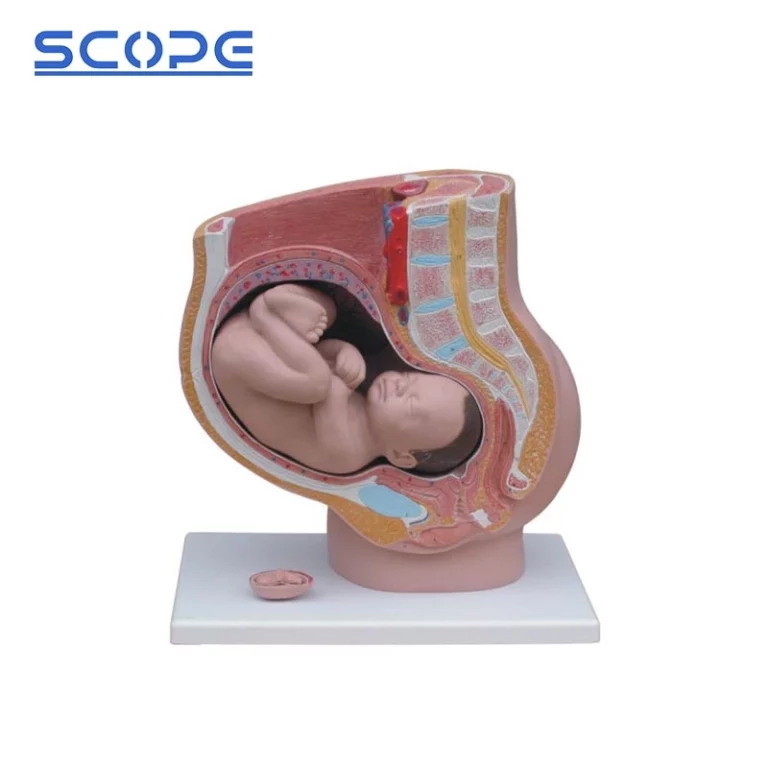
Pelvic Model with Removable Fetus for Midwifery Training
|

Pelvic Model with Removable Fetus for Midwifery Training

For student midwives and obstetric nurses, mastering the monitoring of various physiological indicators during childbirth—such as assessing fetal station, identifying fetal presentation, and managing complications—requires accumulating a vast amount of hands-on experience long before entering an actual delivery room. Among numerous foundational obstetric training tools, the pelvic model with a removable fetus for midwifery training…

Posterior Lumbar Dual-Channel Simulation Model with Realistic Haptic Feedback
|

Posterior Lumbar Dual-Channel Simulation Model with Realistic Haptic Feedback

Posterior lumbar surgery demands extreme precision. Whether performing Posterior Lumbar Endoscopic Surgery (PLES), Unilateral Biportal Endoscopy (UBE), or minimally invasive decompression, spinal surgeons must operate within narrow, deep anatomical corridors while safeguarding fragile neural structures. The Posterior Lumbar Dual-Channel Simulation Model serves as a comprehensive training platform for UBE/VBE (Unilateral/Ventral Biportal Endoscopy) procedures. It helps…

SC-LLV999 Posterior Lumbar Dual-Channel Simulation Model
| |

SC-LLV999 Posterior Lumbar Dual-Channel Simulation Model

The posterior lumbar dual-channel simulation model is a complete UBE/VBE surgical training model. It allows learners to understand the anatomical morphology and structure of the lumbar region, helping them quickly familiarize themselves with the UBE/VBE minimally invasive surgical procedure and instrument usage. It provides a realistic visual and surgical experience, enabling doctors to learn better and faster, and allowing more learners to quickly master UBE surgical techniques.

SC-LLV911S Posterior lumbar endoscopic simulation model Pro
| |

SC-LLV911S Posterior lumbar endoscopic simulation model Pro

The Posterior Lumbar Surgery Simulation Model Pro is a complete lumbar spine surgery training model. It is radiopaque under vertebral X-ray and allows visualization of the guide pin placement and burr treatment using a C-arm X-ray machine. It helps surgeons quickly familiarize themselves with the procedures and instruments used in minimally invasive lumbar spine surgery, providing realistic visual and tactile feedback during the procedure, enabling surgeons to learn better and faster.

SC-LHX3 Full Airway Simulation Model
| |

SC-LHX3 Full Airway Simulation Model

The full airway simulation model is a complete airway training model. It allows medical students to understand the anatomy and structure of the airway, learn airway management operations, experience the actual operation of laryngeal mask airways, laryngoscopy, bronchoscopy, and airway management, and obtain realistic visual and tactile sensations during surgery, enabling doctors to learn better and faster.

End of content

End of content