

With the rising popularity of e-cigarettes among adolescents, public health organizations, schools, and medical educators face an increasingly critical challenge: how to visually explain the microscopic, invisible damage caused by vaping.
The primary advantage of using a physical lung model lies in its intuitive, visual nature. It bypasses the need for a complex medical background, making it instantly clear how inhaled substances impact the respiratory system. This approach provides an exceptionally powerful, highly shareable tool for classroom instruction, parental education, and public health awareness campaigns
Why Use a Lung Model to Explain Vaping Hazards?
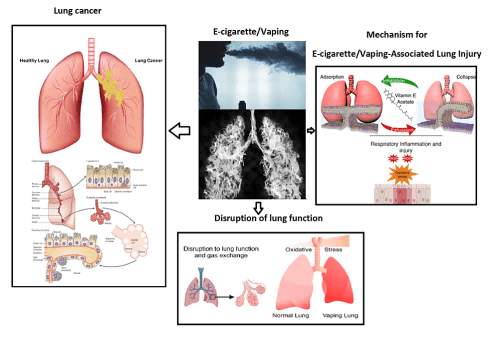
Many people’s perception of e-cigarettes remains limited to superficial impressions like “pleasant aromas” or “harmless water vapor.” The true value of a physical lung model demonstration is its ability to break through these widespread misconceptions. It translates abstract medical warnings into real-time, three-dimensional spatial mechanics that any student or consumer can understand at a glance.
Compared to simply listing cold statistics on a page, a physical model delivers a far greater visual and tactile impact. It allows audiences to actively trace how airflow travels, observe where fine chemical particulates settle, and witness how internal tissue structures react to foreign irritants. For teenagers and general consumers, seeing an architectural representation of their own internal systems is significantly more persuasive than reading complex clinical research papers.
How to Demonstrate Vaping Damage on a Lung Model: Step-by-Step
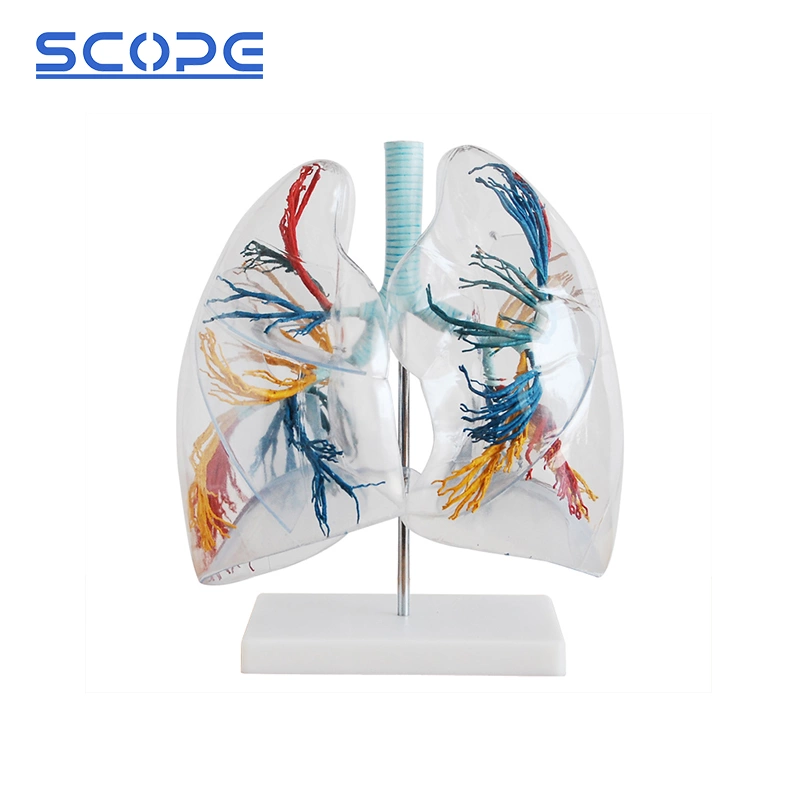
For a successful blog tutorial, short-form video script, or public exhibition display, structure your demonstration using a clear, impactful “before-and-after” contrast:
- Prepare the Clean, Transparent Lung Model: Ensure the model is completely pristine so that the multi-colored internal bronchial tree and segment boundaries are perfectly visible through the clear outer casing.
- Demonstrate the Normal State: Run a baseline demonstration showing how smoothly and effortlessly air flows through the primary bronchi down into the distinct bronchopulmonary segments under normal, healthy conditions.
- Execute the Simulated Exposure Segment: Switch to the Alveolar Enlargement Model to zoom in on the microscopic level. Point out the delicate, capillary-wrapped air sacs and simulate how fine chemical vapor penetrates past upper airway defenses, settling directly onto the gas-exchange membranes.
- Compare the Outcomes: Visually contrast the clean, unobstructed pathways with the simulated state of irritation, fluid buildup, or tissue scarring (illustrating the physical mechanisms behind conditions like “popcorn lung” or emphysema).
- Summarize the Health Lesson: Conclude by reinforcing that while the demonstration is an educational simulation, it directly mirrors the real physiological strain placed on the human respiratory tract by inhaled vaping products.
What demonstration effects can be achieved?
To maximize educational impact, focus your live presentation or video close-ups on these highly observable physical phenomena. Rather than making exaggerated claims, guide your audience to look for these specific, scientifically grounded visual indicators:
- Impaired Airflow Dynamics: Visually demonstrate how normal, completely unrestricted breathing pathways can become physically disrupted and restricted.
- Residue Accumulation on Internal Structures: Point directly to the internal walls of the bronchial tree to show exactly where inhaled chemical aerosols deposit and coat the tissue surfaces over time.
- Altered Tissue Surface Properties: Simulate how delicate mucous membranes become sticky, clouded, or irritated when repeatedly exposed to chemical flavorings and heavy metal particulates.
- Loss of Elastic Recoil and Expansion: Help the audience visualize the concept of impaired pulmonary compliance. Show how tissue under stress fails to expand and snap back smoothly compared to its clean, original state.
The Visual Objective: These clear indicators are specifically designed to help the audience “see the risk” rather than just “hear about the risk,” making them exceptionally powerful for driving lasting health literacy.