
The terms “manikin“ and “mannequin” are often used interchangeably, but they actually refer to distinct types of human-like figures used for different purposes. While both serve as representations of the human body, they differ in material, design, usage, and industry standards. Understanding these differences can help professionals in various fields select the right model for their specific needs.
- If your model must simulate life or procedures, → Manikin
- If your model must represent the human body for display,→ Mannequin
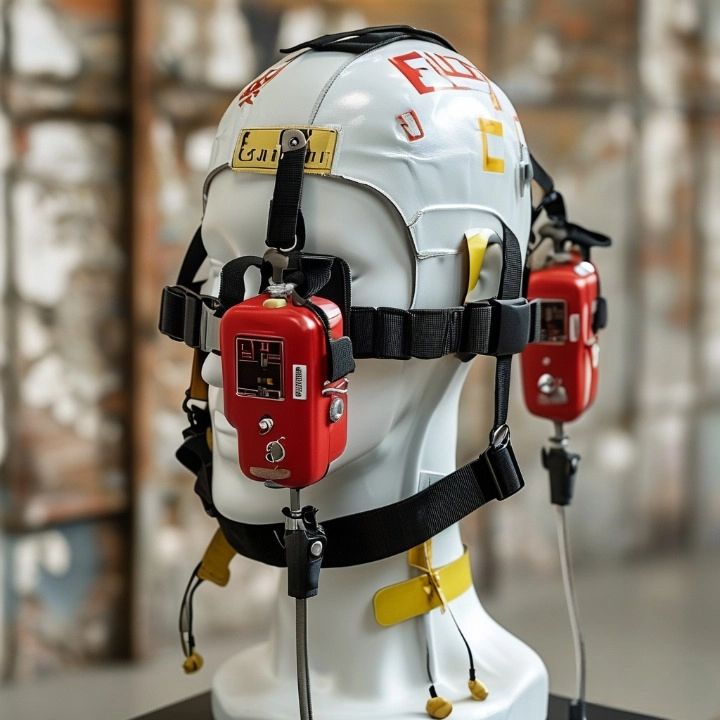
First off: Definition and Purpose
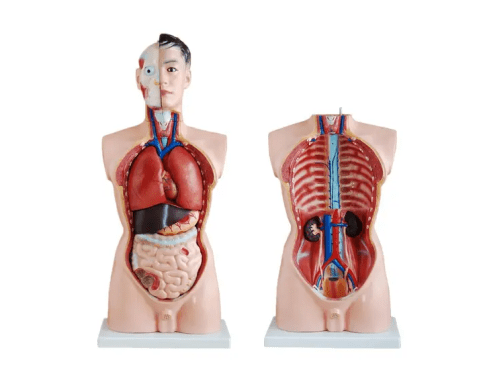
What is a Manikin?
A manikin is a life-sized anatomical model used primarily for medical training, emergency response simulations, and other educational purposes. These models are often equipped with realistic human features, such as movable joints, airway passages, and internal structures, to simulate real-life medical scenarios.
What is a Mannequin?
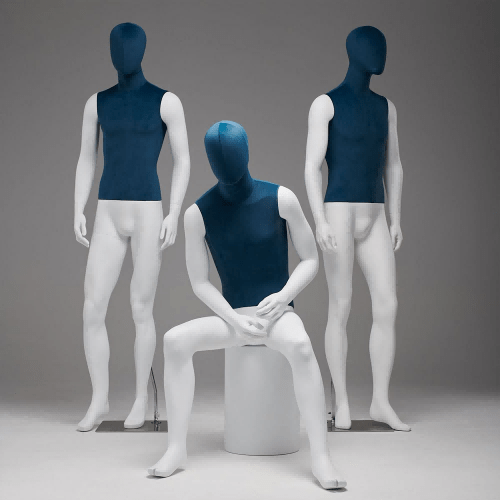
A mannequin, on the other hand, is a full-body or partial-body figure used mainly in fashion and retail. These are typically designed to display clothing, accessories, or artistic creations in stores, showrooms, and exhibitions. Mannequins prioritize aesthetics and posture over functionality.
Then, Use Cases and Applications
Manikin Applications
- Medical Training: Hospitals and medical schools use manikins to train doctors, nurses, and paramedics in patient care, CPR, and surgery techniques.
- Emergency Response Drills: Firefighters, military personnel, and first responders use manikins to simulate rescue operations and emergency procedures.
- Driving Safety & Crash Testing: Manikins are sometimes used in vehicle crash tests to assess safety features.
Mannequin Applications
- Retail & Fashion Displays: Clothing brands use mannequins to showcase new apparel and accessories in stores.
- Photography & Art: Fashion photographers use mannequins as models when real-life models are unavailable.
- Museum & Exhibition Displays: Museums use mannequins to present historical clothing and cultural artifacts.
The Overlapping Confusion
- Although the distinction between a manikin and a mannequin is clear in professional contexts, some casual discussions blur the lines. For example
- Some fashion mannequins are designed with articulated limbs, making them resemble medical manikins.
- The term “CPR mannequin” is sometimes mistakenly used instead of “CPR manikin.”
Finally, Key Differences: Manikin vs. Mannequin
| Feature | Manikin | Mannequin |
| Primary Use | Medical training, CPR practice, emergency simulations | Retail displays, fashion exhibitions, photography |
| Material | Advanced plastic, silicone, rubber, synthetic human-like materials | Fiberglass, plastic, wood, metal |
| Functionality | Often equipped with realistic human features such as airways, heartbeat simulation, and joint movement | Static poses, sometimes adjustable limbs but minimal interactivity |
| Industry Standards | Medical training standards (e.g., AHA for CPR dummies) | Fashion and retail industry standards |
| Cost | More expensive due to advanced technology and realism | More affordable, with prices varying based on design and brand |
| Target Users | Medical professionals, first responders, military, educational institutions | Retailers, fashion designers, visual merchandisers |
| Customization | Can be tailored for different medical conditions, ethnicities, and training needs | Various body types, poses, and facial features to suit branding needs |
| Durability | Built for repeated use in rigorous training sessions | Designed for static display, requiring less durability |
| Realism Level | High realism with lifelike skin textures, internal anatomy, and responsiveness | More stylized, often with exaggerated features for display impact |
Company Show
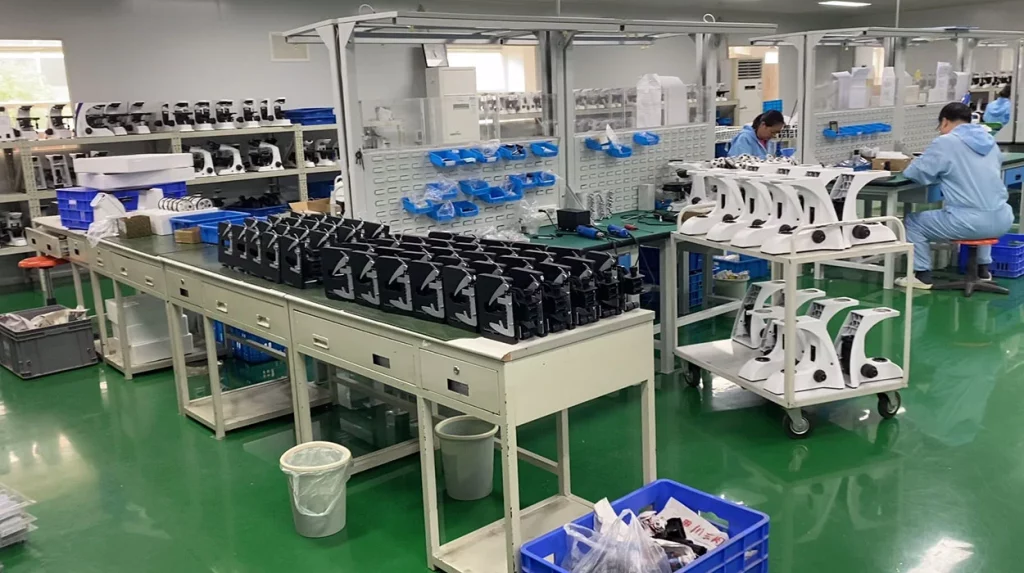
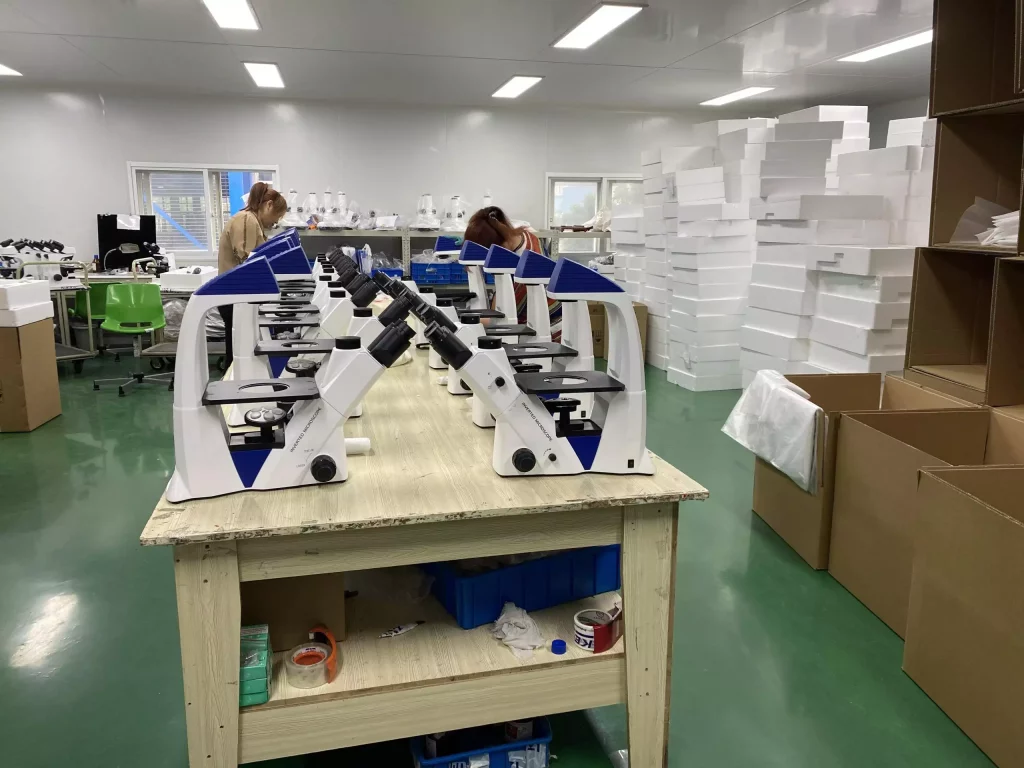
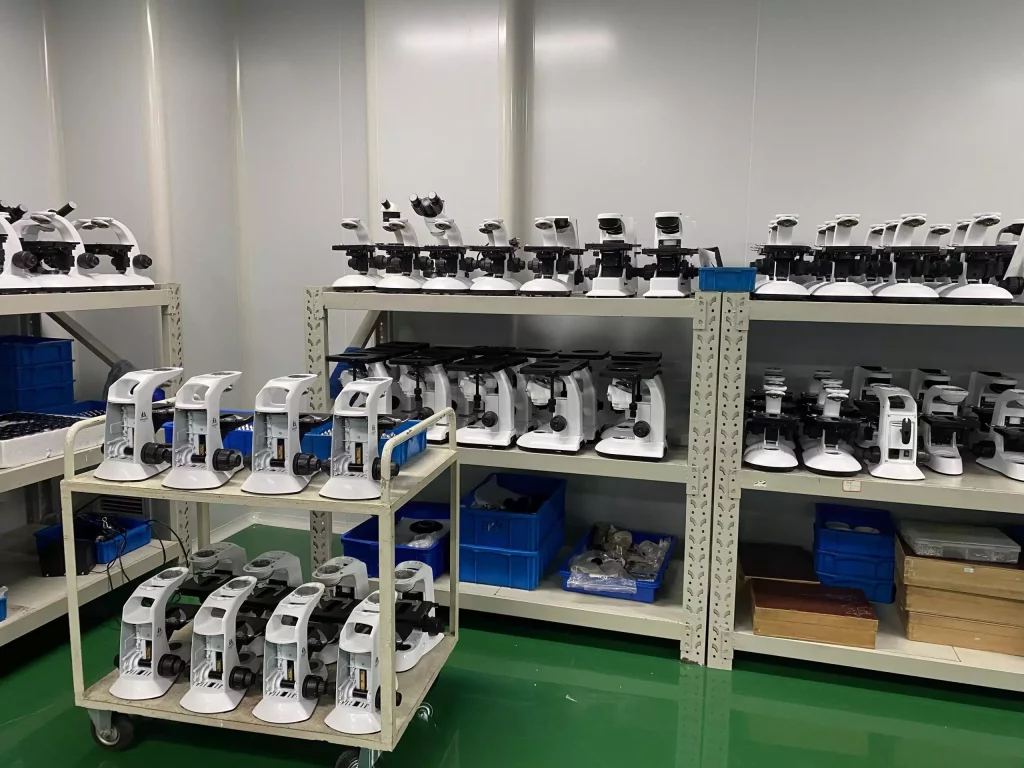
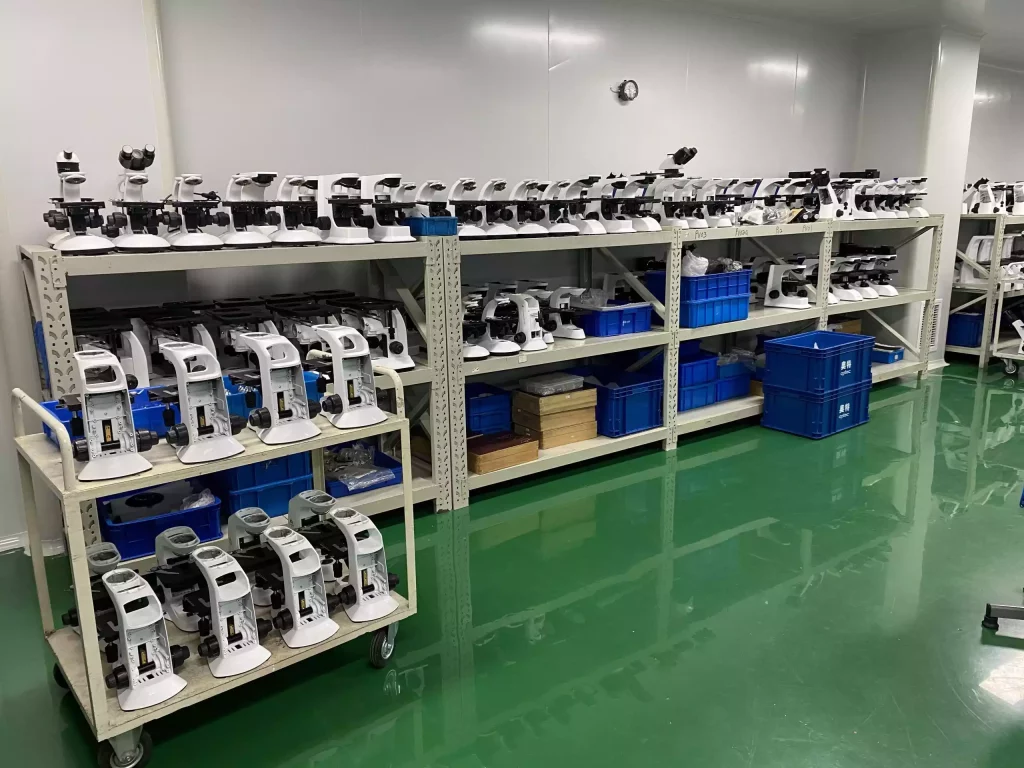
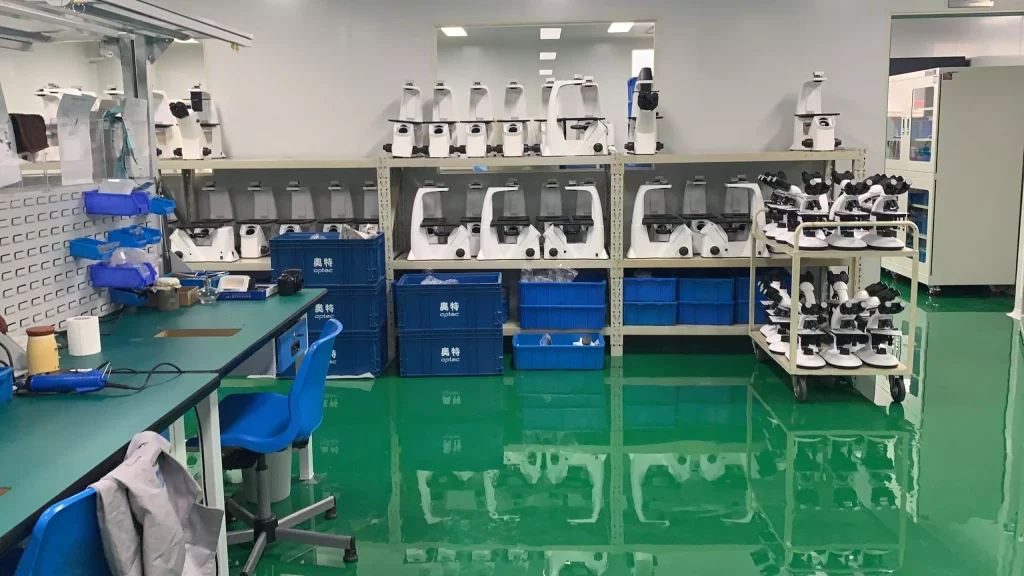
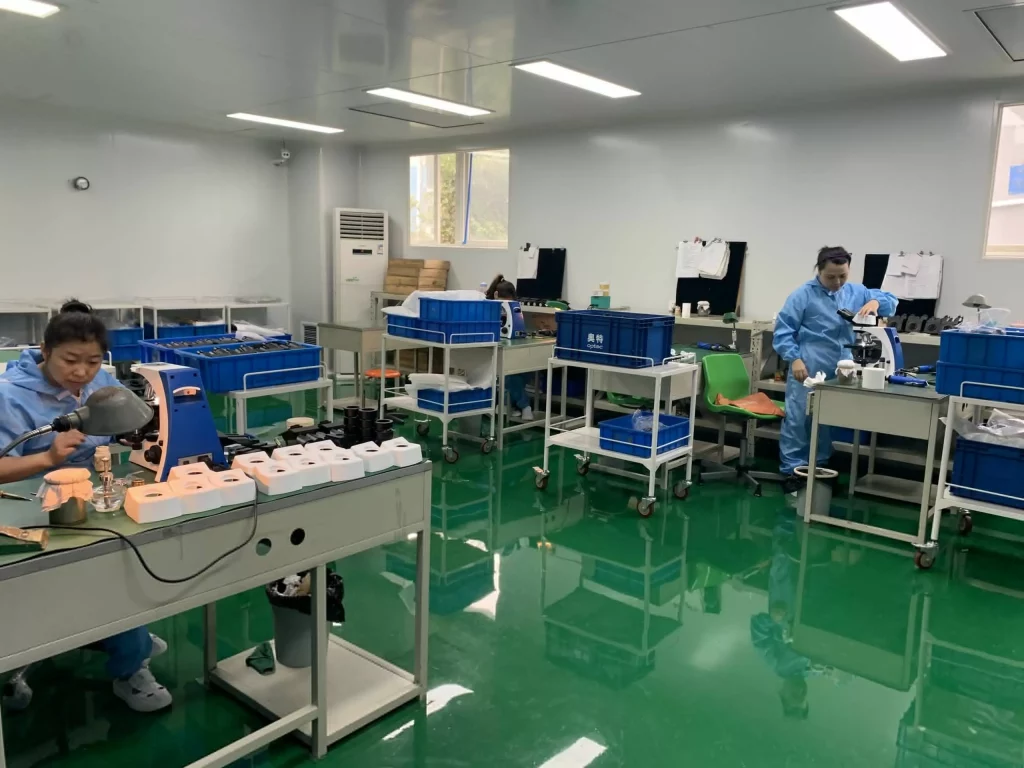
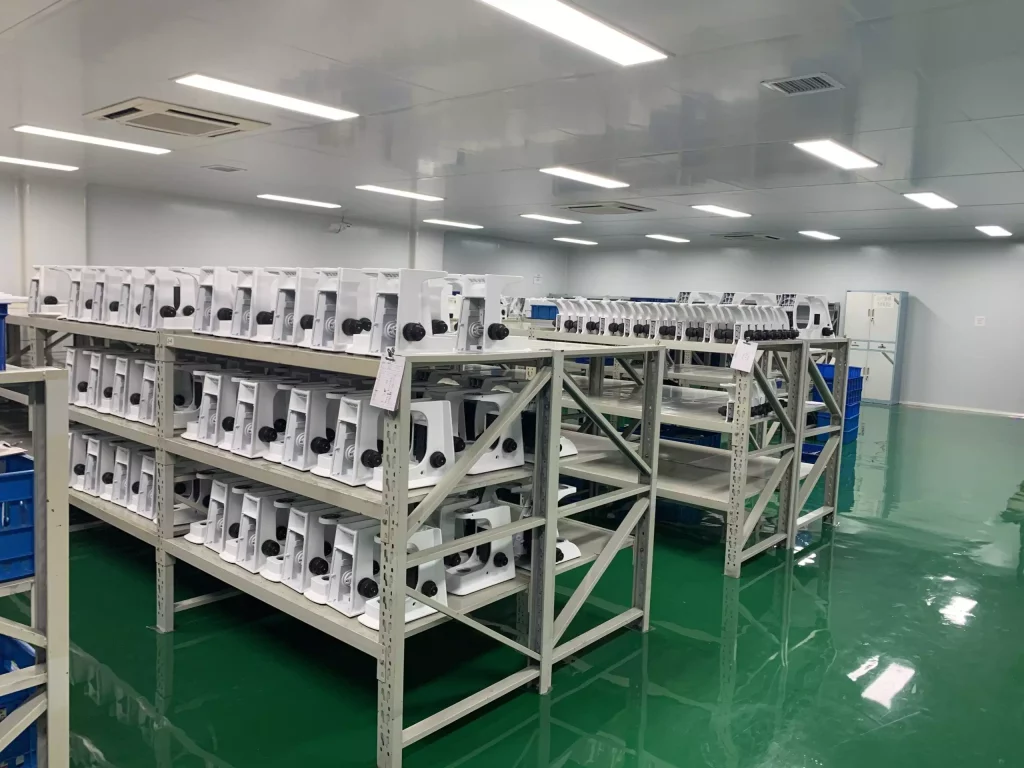
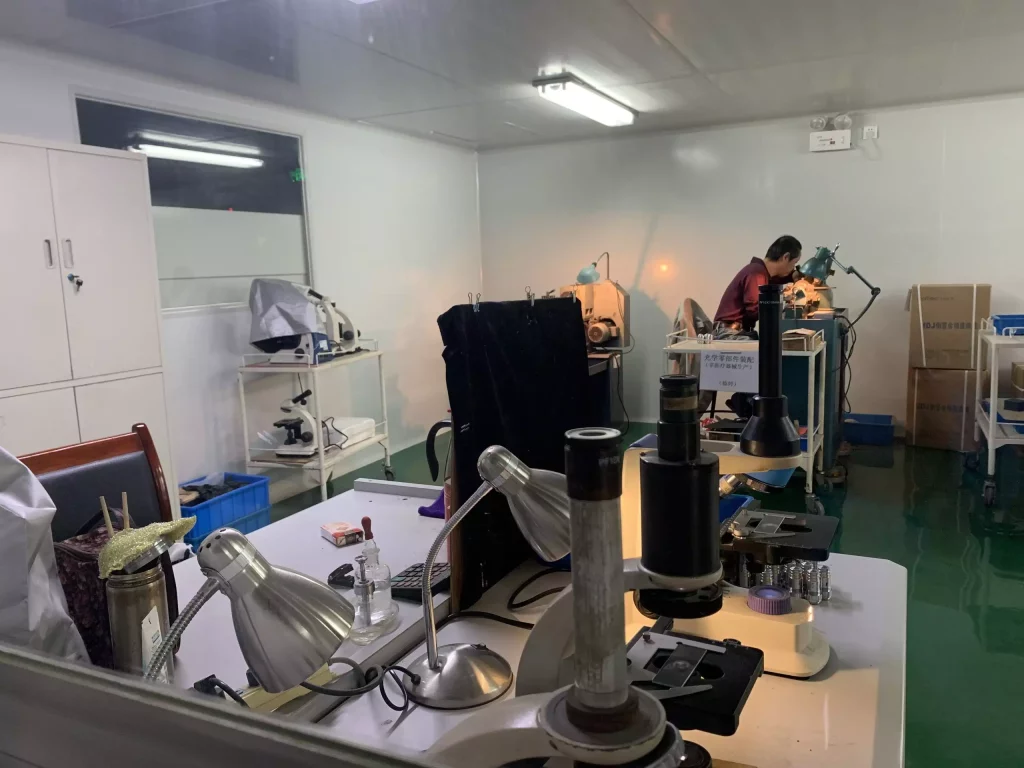
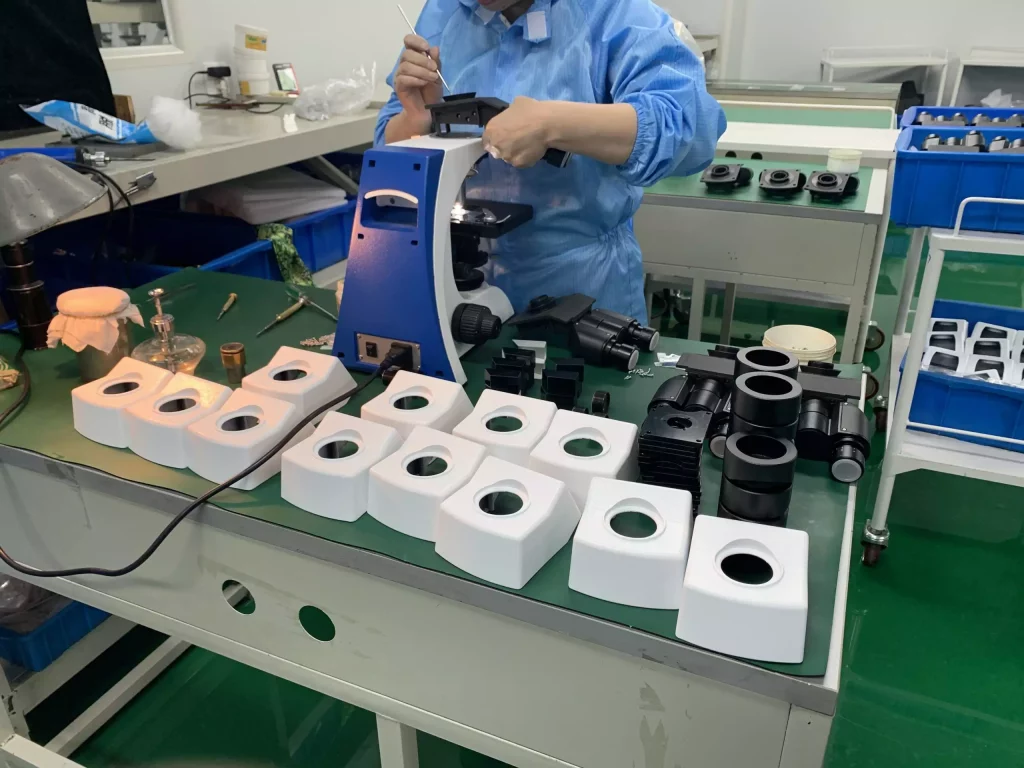
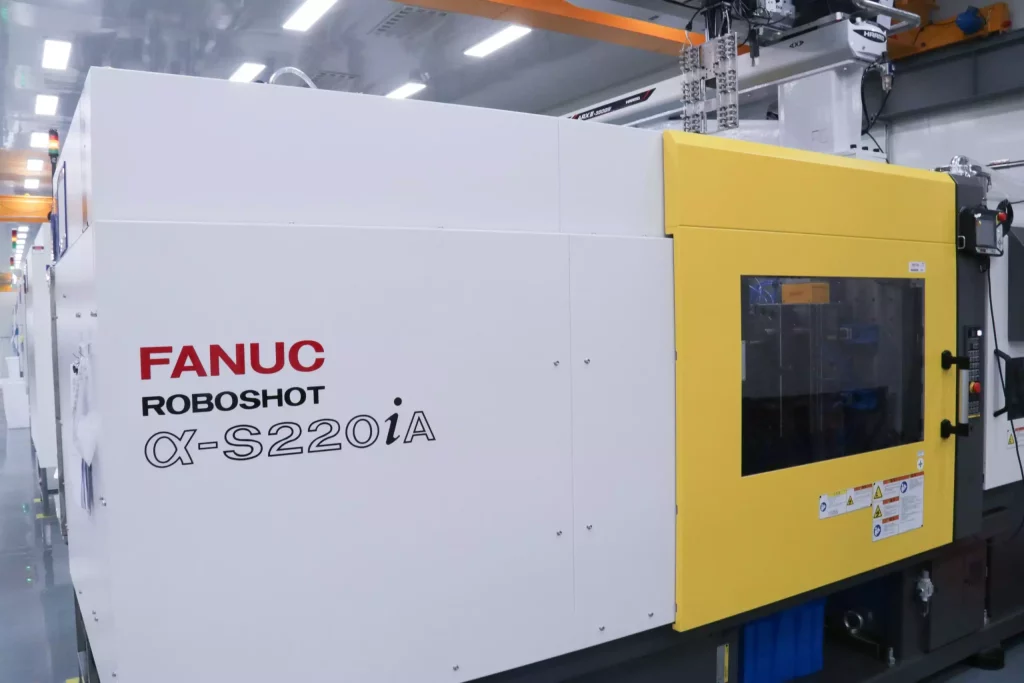
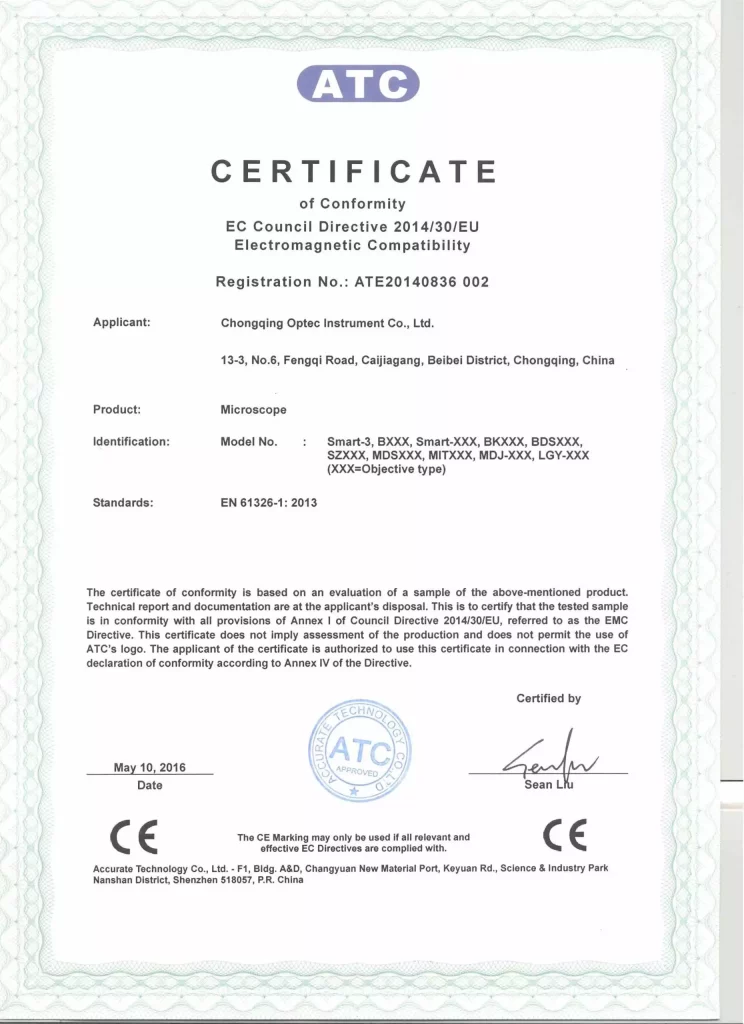
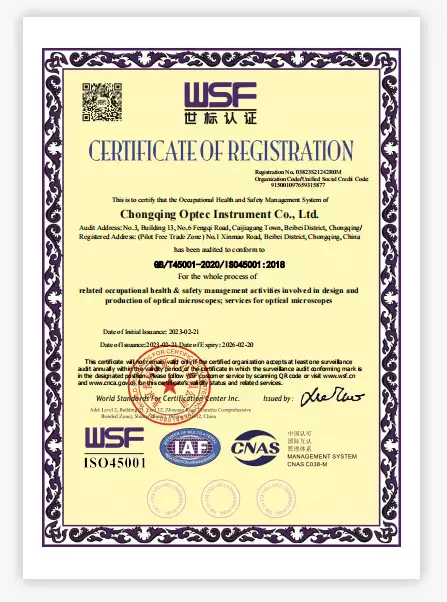
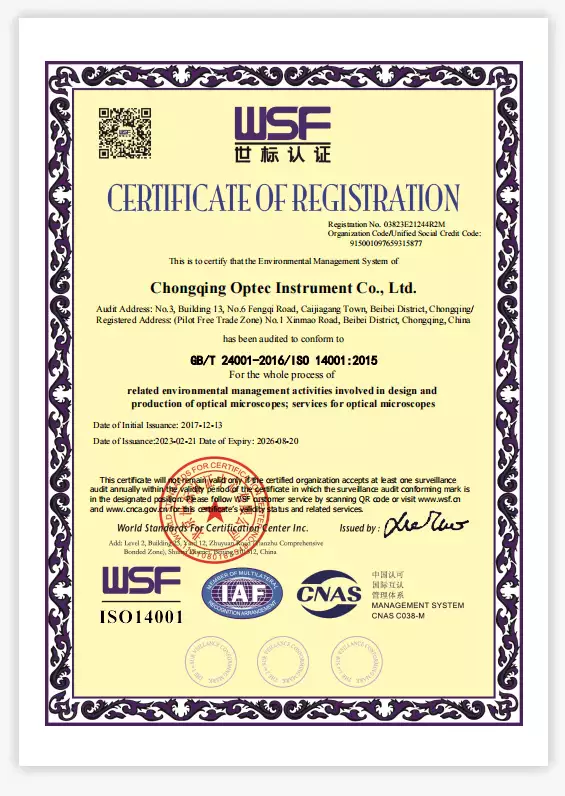
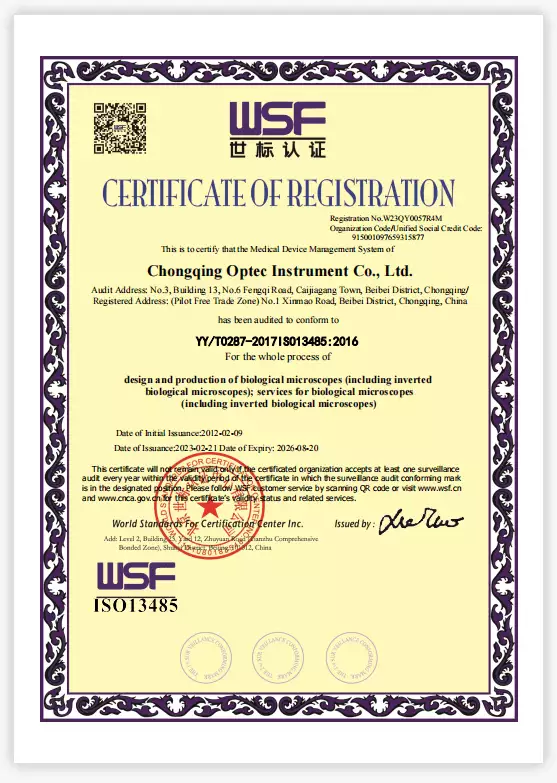
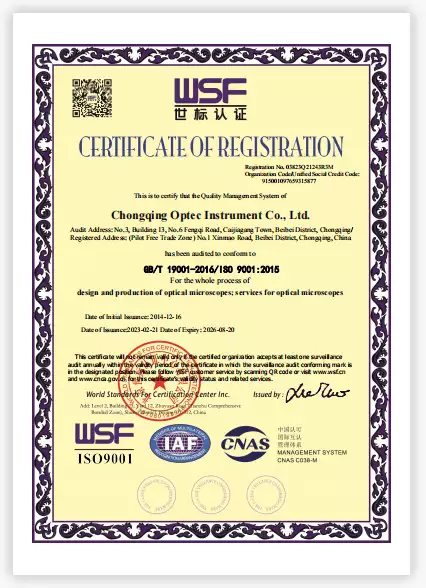
Chongqing Scope Instrument Co., Ltd. is a professional supplier in the field of instruments and equipment for laboratory, Medical training, and Industry. We are located in one of the biggest cities of China, Chongqing.